

You found the perfect spot for a garage, a porch, or a backyard cottage, and then the zoning code said no. Maybe the setback is five feet too deep for your oddly shaped lot, or the height cap leaves no room for a second story. Before you give up on the plan, know that nearly every town has a formal way to ask for an exception, and you don’t need to be a developer to use it.
This guide covers when zoning variances are realistic, what the board will actually test, how the rules change from state to state, and how to put together an application that holds up at the hearing.
Do You Actually Need a Variance?

Not every conflict with the code needs one. Start by asking the zoning office exactly what is blocking you, because the fix could be an administrative adjustment, a special use permit, or a small change to your plans. A variance is the tool for cases where the ordinance, applied word for word, puts your lot in a bind that its neighbors don’t share.
That idea is the core of variance law. Zoning codes are written for whole districts, and a rule that makes sense on a flat rectangular lot can produce an unfair result on a steep or triangular one, which is the old gap between law and justice showing up at your property line. The variance process is there to close that gap without rewriting the code for everyone.
Area Variances
These cover physical limits like setbacks, height, lot coverage, frontage, parking counts, and fence height. They are by far the most common request and the easiest to win, since you aren’t changing what the property is used for. A deck that needs to sit three feet closer to a side lot line is a classic example.
Use Variances
A use variance lets you do something the district doesn’t allow, like running a small office out of a house in a residential zone or adding a second unit where only single-family homes are permitted. Expect a much tougher standard here. Many boards want proof that the property can’t earn a reasonable return under any use the code currently allows, and that’s hard to show for a typical family home.
How to Apply for a Variance, Step by Step
View this post on Instagram
The forms differ by jurisdiction, but the path looks much the same almost everywhere. Give yourself extra time at the start, because most denials come from thin preparation rather than bad luck. A little homework up front can save you a second round of fees.
Also check whether other agencies get a say. A project near a stream, a wetland, or a drainage channel may need separate environmental approvals, and federal Clean Water Act permits are a common example that catches homeowners off guard. Sorting those out early keeps your variance from expiring while you wait.
What the Zoning Board Is Really Testing
The wording changes from town to town, but the core questions come up almost everywhere. Keep in mind that a zoning ordinance is binding local law, not a loose guideline, a difference explained well in this piece on policy and law. Your job is to convince the board that bending it a little causes less harm than enforcing it.
| Test | What the board asks | How you can show it |
|---|---|---|
| Unique hardship | Is the problem caused by the land itself? | A survey showing an odd shape, a steep slope, rock, or wet ground |
| Not self-created | Did you cause this situation? | A timeline showing the condition came with the lot and no work started without a permit |
| Smallest relief needed | Is this the least you could ask for? | Plans comparing your request with options that comply |
| Neighborhood character | Will it change the street or hurt neighbors? | Photos of similar nearby homes and signed letters of support |
| Intent of the code | Does it undercut the purpose of the ordinance? | A short explanation of how light, air, and safety stay protected |
How State Rules Swing From One Extreme to the Other
Local boards get their power to grant zoning variances from state enabling laws, so the rules you face depend a lot on where you live. Some states give boards wide latitude, others tie their hands, and at least one major American city skips traditional zoning entirely. Here are some of the sharpest contrasts.
| State | What the law says | What it means for you |
|---|---|---|
| Arizona | Under the Arizona Revised Statutes, a municipal board of adjustment cannot change the uses permitted in a zoning district, and it can’t grant a variance when the owner created the special circumstances. |
If you want a different use, you need to request a rezoning, not a variance. |
| New Jersey | Under the New Jersey Revised Statutes, a “d” variance for a prohibited use can only be granted by an affirmative vote of at least five members of a municipal board. |
On a seven-member board, winning 4 to 3 still counts as a loss. |
| Massachusetts | The Massachusetts General Laws say a variance lapses if it isn’t exercised within one year, with a possible extension of up to six months, and use variances are only allowed where the local bylaw expressly permits them. |
Record the variance at the registry of deeds and start work quickly, or you could lose it. |
| New York | Town Law § 267-b tells the zoning board of appeals to weigh your benefit against the harm to the community across five factors. |
A self-created difficulty won’t automatically sink an area variance, but use variances require proof of unnecessary hardship. |
| Houston, Texas | The City of Houston Legal Department states plainly that the city is not zoned. |
There’s no zoning board to petition, so recorded deed restrictions often decide what you can build, and the city can step in to enforce them. |
What It Costs and How Long It Takes
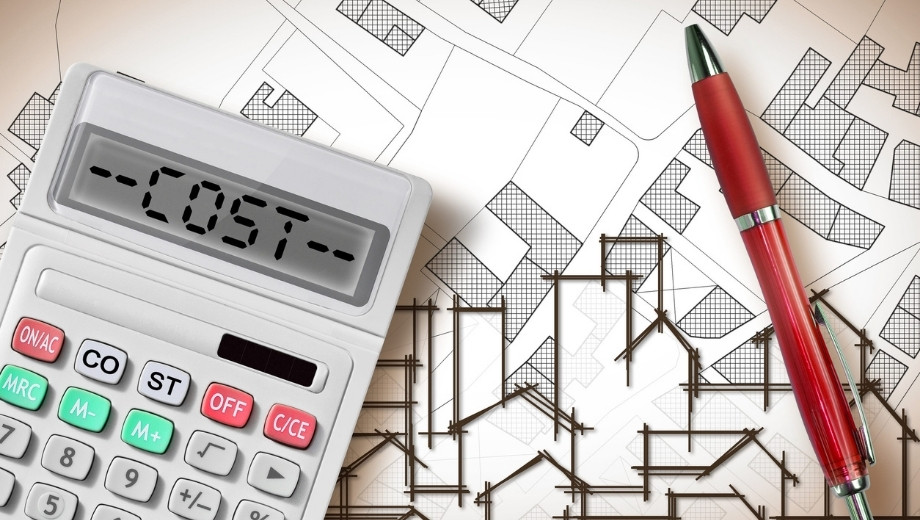
Costs for zoning variances vary widely, but Shovels puts typical application fees anywhere from $100 to over $1,000, depending on the jurisdiction and the type of project. Surveys, drawings, and attorney fees (if neighbors contest the request) come on top of that. Most straightforward residential cases take about one to three months from filing to decision.
These are the usual causes of delay:
- Missing documents that push you to a later agenda
- Neighbor opposition that leads to a continued hearing
- Boards that only meet once a month
Once you’re approved, read the conditions carefully. Many variances expire if construction doesn’t begin within 12 to 24 months, and the approval doesn’t authorize building, so you still need a building permit. Put both deadlines on your calendar the day the decision arrives.
Frequently Asked Questions
Can I get a variance for something I already built?
Is a variance the same as rezoning?
Does a variance stay with the property if I sell?
Do I need a lawyer?
What to Do If the Board Says No
A denial isn’t always the end. You can usually appeal to a court within a short statutory window, revise your plans to ask for less, or reapply after a waiting period, which is often one year. If you decide to appeal, talk to a land use attorney right away, because those deadlines are short and strictly enforced.