
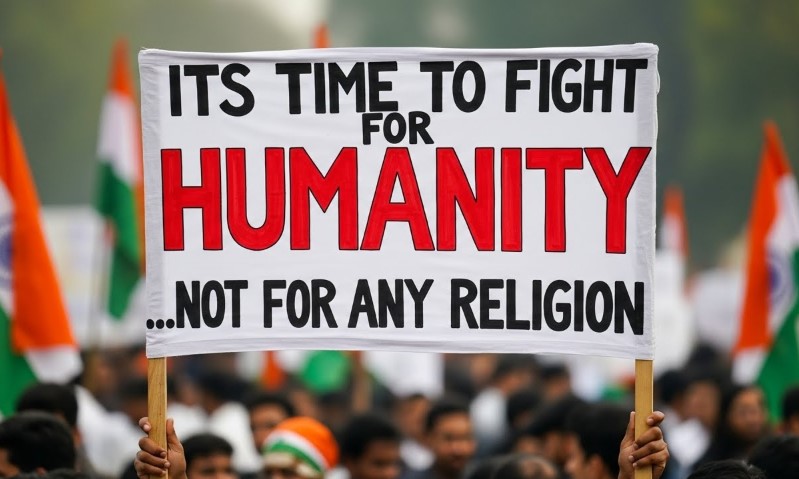
Under the Indian Constitution, pluralism is not a symbolic ideal but a structural principle embedded in the text, interpretation, and daily operation of the legal system.
The Constitution recognizes India as a society of multiple religions, languages, cultures, castes, and political beliefs, and it is designed to protect coexistence rather than enforce uniformity.
Pluralism in India means the State does not impose a single cultural, religious, or ideological identity but instead guarantees space for diversity within a common constitutional framework.
This article explains what pluralism means under the Indian Constitution, where it appears in constitutional provisions, how courts have interpreted it, and why it remains central to Indian democracy.
What Pluralism Means in Constitutional Law
In constitutional terms, pluralism refers to the recognition and protection of diversity within a single political and legal order. It differs from mere tolerance.
Tolerance implies passive acceptance, while pluralism requires active legal safeguards that allow different communities and viewpoints to coexist with dignity and equality.
India’s pluralism is shaped by its history. At independence in 1947, the framers faced the challenge of governing a population divided by religion, language, caste, and colonial legacy.
Rather than assimilating differences, the Constitution sought to institutionalize diversity through rights, federalism, and secular governance.
Pluralism in the Preamble
The Preamble to the Constitution of India establishes the philosophical foundation of pluralism. It declares India to be a sovereign, socialist, secular, democratic republic and promises liberty of thought, expression, belief, faith, and worship.
Instead, it requires equal respect and neutrality toward all religions, allowing religious diversity to flourish without State preference.
Fundamental Rights and Pluralism
Pluralism is most directly protected through Part III of the Constitution, which guarantees Fundamental Rights.
Articles 14 to 18: Equality
Article 14 ensures equality before the law, which is essential for pluralism. Without legal equality, diversity becomes hierarchy. Articles 15 and 16 prohibit discrimination on grounds of religion, race, caste, sex, or place of birth, while still allowing affirmative action for historically disadvantaged groups.
This balance reflects substantive pluralism, where equality does not mean sameness but fairness in unequal conditions.
Articles 25 to 28: Freedom of Religion
These provisions guarantee freedom of conscience and the right to freely profess, practice, and propagate religion, subject to public order, morality, and health.
| Article | Protection Offered | Pluralist Significance |
| Article 25 | Freedom of conscience | Individual religious choice |
| Article 26 | Religious denomination rights | Collective religious autonomy |
| Article 27 | No religious tax | State neutrality |
| Article 28 | No forced religious instruction | Protection of belief diversity |
Together, these articles ensure that religious pluralism is constitutionally protected, not merely socially tolerated.
Cultural and Linguistic Pluralism
India’s pluralism extends beyond religion to language and culture. Articles 29 and 30 protect the rights of minorities to conserve their language, script, and culture and to establish and administer educational institutions of their choice.
This is particularly significant in a country with over 1,600 spoken languages and dozens of scripts. Rather than enforcing a single national culture, the Constitution allows multiple cultural identities to coexist.
| Area | Constitutional Protection | Practical Effect |
| Language | Articles 29, 343–351 | Multilingual governance |
| Education | Article 30 | Minority-run institutions |
| Culture | Article 29 | Cultural preservation |
Federalism as a Form of Pluralism
Indian federalism is asymmetric and flexible, reflecting regional diversity. States are organized largely on linguistic lines, allowing people to govern themselves in their own languages and cultural contexts.
The Seventh Schedule divides powers between the Union and the States, enabling local variation within national unity. Special provisions for certain states and regions further recognize India’s internal diversity.
Pluralism here is territorial as well as cultural.
Judicial Interpretation of Pluralism
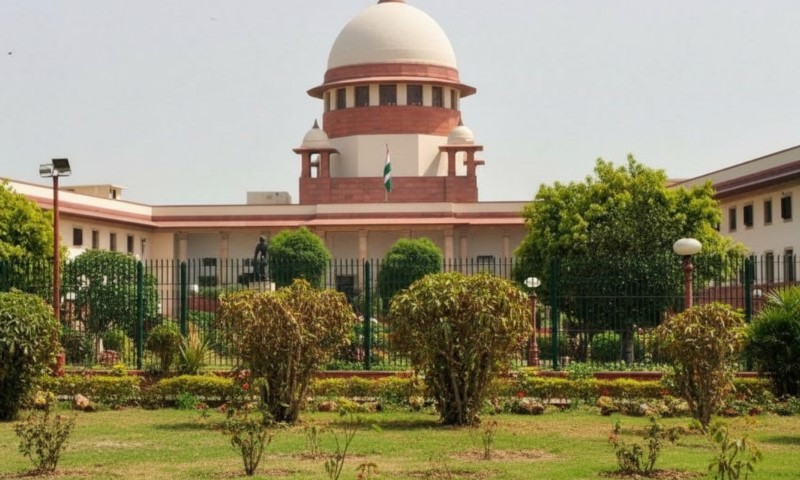
The Supreme Court of India has repeatedly affirmed pluralism as part of the Constitution’s basic structure.
Kesavananda Bharati Case
In Kesavananda Bharati v. State of Kerala, the Court held that certain constitutional principles cannot be altered even by Parliament. Secularism and pluralism were recognized as part of this unamendable basic structure.
This judgment ensured that India’s pluralist character cannot be dismantled through political majorities.
S. R. Bommai Case
In S. R. Bommai v. Union of India, the Court explicitly linked secularism with pluralism, holding that the State must treat all religions equally and that governance based on religious favoritism violates the Constitution.
Indian Secularism and Pluralism Compared Globally
Indian pluralism differs from Western models.
| Feature | Indian Model | Western Model |
| State and religion | Principled distance | Strict separation |
| Cultural policy | Diversity protection | Cultural neutrality |
| Minority rights | Group rights recognized | Primarily individual |
| Uniformity | Limited | Often emphasized |
This approach reflects India’s historical reality, where strict separation would not adequately protect minority identities.
Limits on Pluralism
View this post on Instagram
Pluralism under the Constitution is not absolute. Rights are subject to public order, morality, and health. The State may intervene to reform religious practices that violate fundamental rights, such as untouchability or gender discrimination.
This creates tension between pluralism and reform. Courts often navigate this by distinguishing between essential religious practices and social customs subject to constitutional scrutiny.
Contemporary Relevance and Challenges
Pluralism faces modern challenges from political polarization, identity-based mobilization, and debates over uniform civil laws.
Yet constitutionally, pluralism remains intact because it is structurally embedded rather than politically optional.
Census data and Election Commission reports consistently show India’s electorate divided along linguistic, regional, and religious lines, reinforcing the need for a constitutional framework that manages diversity rather than suppresses it.
Conclusion
Pluralism under the Indian Constitution is a foundational principle that shapes rights, governance, and judicial interpretation.
It ensures that India functions not as a monolithic nation but as a constitutional union of differences, held together by equality, liberty, and mutual respect.
By embedding pluralism into its legal structure, the Constitution transforms diversity from a source of conflict into a framework for democratic coexistence.