

The direct answer is this: the Title IX complaint process is a structured civil rights procedure that allows students, parents, and employees to report sex-based discrimination or harassment, requires schools to follow specific investigation steps and timelines, and can result in remedies, disciplinary actions, or federal enforcement depending on findings.
It is not a criminal process, it is not informal mediation by default, and it is not unlimited in scope. Outcomes depend heavily on evidence quality, procedural compliance, and how institutions apply federal regulations.
What Title IX Covers and Why the Process Exists
On June 23, 1972, #TitleIX was signed into law, prohibiting sex-based discrimination in federally funded programs. Today, we celebrate this groundbreaking law and affirm our commitment to equal educational opportunity for millions of women & girls across the country. pic.twitter.com/LhDyURYgmF
— U.S. Department of Education (@usedgov) June 23, 2025
Title IX is a U.S. federal civil rights law enacted in 1972. It prohibits sex-based discrimination in education programs or activities that receive federal funding.
Coverage includes K–12 schools, colleges, universities, and educational programs operated by institutions that receive federal financial assistance.
Title IX applies to discrimination based on sex, sexual orientation, gender identity, pregnancy and parenting status, and sexual harassment, including sexual assault and dating or domestic violence, when it affects access to education.
The law is enforced by the U.S. Department of Education Office for Civil Rights, which oversees institutional compliance and investigates systemic violations.
The complaint process exists to ensure that schools respond promptly and equitably to reports that interfere with a person’s access to education.
Who Can File a Title IX Complaint
A Title IX complaint can be filed by:
- A student or former student
- A parent or guardian on behalf of a minor
- An employee of the institution
- A third-party reporting conduct affecting a student
- In some cases, the institution itself, after receiving notice
The person alleged to have experienced discrimination is referred to as the complainant. The person accused is the respondent.
Importantly, filing a Title IX complaint does not require filing a police report. The two processes are independent.
Step One: Reporting and Initial Intake

The process begins when a school receives notice of potential Title IX conduct. This can happen through:
- A report to a Title IX coordinator
- A complaint submitted through an online portal
- Disclosure to a mandated reporter, such as a teacher or administrator
- A written complaint requesting a formal investigation
Once notice is received, the school must conduct an initial assessment. This assessment determines whether the alleged conduct falls within Title IX jurisdiction and whether it occurred in an education program or activity.
At this stage, schools must also offer supportive measures to the complainant. These may include academic accommodations, schedule changes, housing adjustments, or no-contact directives.
Supportive measures are available regardless of whether a formal complaint is filed.
Initial Title IX Intake Stage
| Element | What Happens |
| Notice received | School becomes legally obligated to respond |
| Jurisdiction review | Determines if Title IX applies |
| Supportive measures | Offered to complainant immediately |
| Formal complaint decision | Complainant chooses whether to proceed |
Step Two: Formal Complaint and Investigation Launch
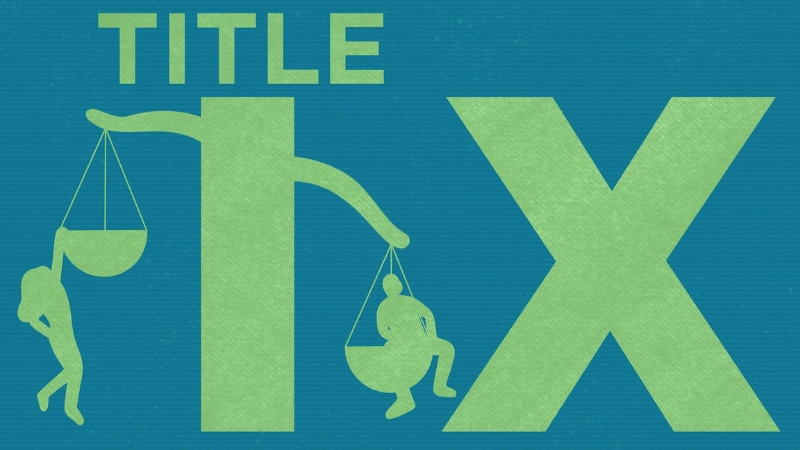
A formal complaint is typically required to trigger a full Title IX investigation. This is usually a written document signed by the complainant or the Title IX coordinator.
Once a formal complaint is filed, the institution must notify both parties in writing. The notice includes:
- The allegations
- The identities of the parties, if known
- The specific policies allegedly violated
- Information about rights and procedures
The school then appoints an investigator or investigative team. Investigators must be trained and free from conflicts of interest.
Investigation Phase: Evidence Collection and Interviews
The investigation is the most substantive part of the process. Its purpose is to gather all relevant evidence, not to advocate for either side.
Types of Evidence Considered
Evidence in Title IX cases is broad and not limited to physical proof. Investigators may collect:
- Written statements from parties and witnesses
- Text messages, emails, and social media records
- Class attendance or academic records
- Security footage or access logs
- Medical or counseling records, if voluntarily provided
- Prior reports or patterns of behavior, when relevant
Hearsay is not automatically excluded, but its reliability is weighed carefully.
Common Evidence in Title IX Investigations
| Evidence Type | Typical Use |
| Party statements | Establish timelines and perspectives |
| Witness interviews | Corroborate or challenge accounts |
| Digital communications | Verify contact or intent |
| Institutional records | Show the impact on education access |
| Physical or medical records | Support factual claims |
Timelines: How Long the Process Takes
Federal regulations require Title IX investigations to be completed within a reasonably prompt timeframe, but they do not impose a strict universal deadline. Most institutions set internal targets.
In practice:
- K–12 investigations often aim for 30–60 days
- Higher education cases often take 60–120 days
- Complex cases may take longer, with a written notice of delays
Extensions are permitted for good cause, such as witness unavailability or parallel criminal investigations.
Typical Title IX Timeline
| Stage | Approximate Duration |
| Initial assessment | 1–2 weeks |
| Investigation | 30–90 days |
| Evidence review | 1–2 weeks |
| Determination | 1–3 weeks |
| Appeal window | 5–15 days |
Evidence Review and Response Opportunity
Before a final determination is made, both parties must be allowed to review the evidence collected. Schools typically provide:
- Access to all evidence directly related to the allegations
- A set period to submit written responses
This step is critical. Many outcomes hinge on how clearly parties respond to inconsistencies or omissions in the evidence record.
Determination and Standard of Proof

After reviewing all evidence, a decision-maker evaluates whether the institution’s Title IX policy was violated.
Most schools use one of two standards:
- Preponderance of the evidence (more likely than not)
- Clear and convincing evidence (higher threshold, less common)
The standard must be applied consistently across cases.
The determination includes:
- Findings of fact
- Conclusions regarding policy violations
- Rationale for the outcome
- Any sanctions or remedies imposed
Possible Determinations
| Outcome | Meaning |
| Policy violation found | Sanctions and remedies imposed |
| No violation found | Case closed without discipline |
| Insufficient evidence | Allegations not substantiated |
| Dismissal | Jurisdictional or procedural reasons |
Sanctions and Remedies
If a violation is found, schools must implement remedies designed to restore or preserve the complainant’s access to education. Sanctions against respondents vary based on severity and institutional policy.
Possible outcomes include:
- Educational requirements or training
- No-contact orders
- Probation or suspension
- Expulsion or termination of employment
Remedies may also include academic accommodations, housing changes, or counseling referrals.
Appeals Process
Both parties are usually granted the right to appeal a determination. Appeals are limited to specific grounds, such as:
- Procedural irregularities
- New evidence not reasonably available earlier
- Conflict of interest or bias
- Disproportionate sanctions
Appeals are reviewed by a separate decision-maker, not the original investigator.
Appeal Grounds and Limits
| Appeal Basis | Allowed |
| New evidence | Yes |
| Procedural error | Yes |
| Disagreement with the outcome | No |
| General dissatisfaction | No |
External Complaints and Federal Enforcement
View this post on Instagram
If a person believes a school failed to comply with Title IX obligations, they may file a complaint directly with the U.S. Department of Education Office for Civil Rights.
These complaints typically must be filed within 180 days of the alleged violation.
OCR investigations focus on institutional compliance, not individual guilt. Outcomes may include corrective action plans, policy changes, or monitoring agreements.
Common Misunderstandings About Title IX
Title IX is often misunderstood as a criminal justice process. It is not. It does not determine criminal liability, does not impose jail sentences, and does not replace law enforcement.
It also does not guarantee:
- Immediate outcomes
- Confidentiality without limits
- A particular result
- Informal resolution in every case
It is a structured administrative process governed by federal regulation.
Final Perspective
@abc7nyA major Title IX crackdown is putting schools under the microscope across ten states, including New York and Connecticut. The U.S. Department of Education is investigating complaints that some districts are allowing students to compete in sports based on gender identity, rather than biological sex. #titleIX #investigation #sports♬ original sound – ABC7NY
The Title IX complaint process is procedural, evidence-driven, and bounded by defined rules.
Its effectiveness depends less on emotion or public pressure and more on documentation, timelines, and institutional compliance.
For complainants, understanding what evidence matters and how timelines work improves outcomes. For respondents, knowing procedural rights is equally critical.