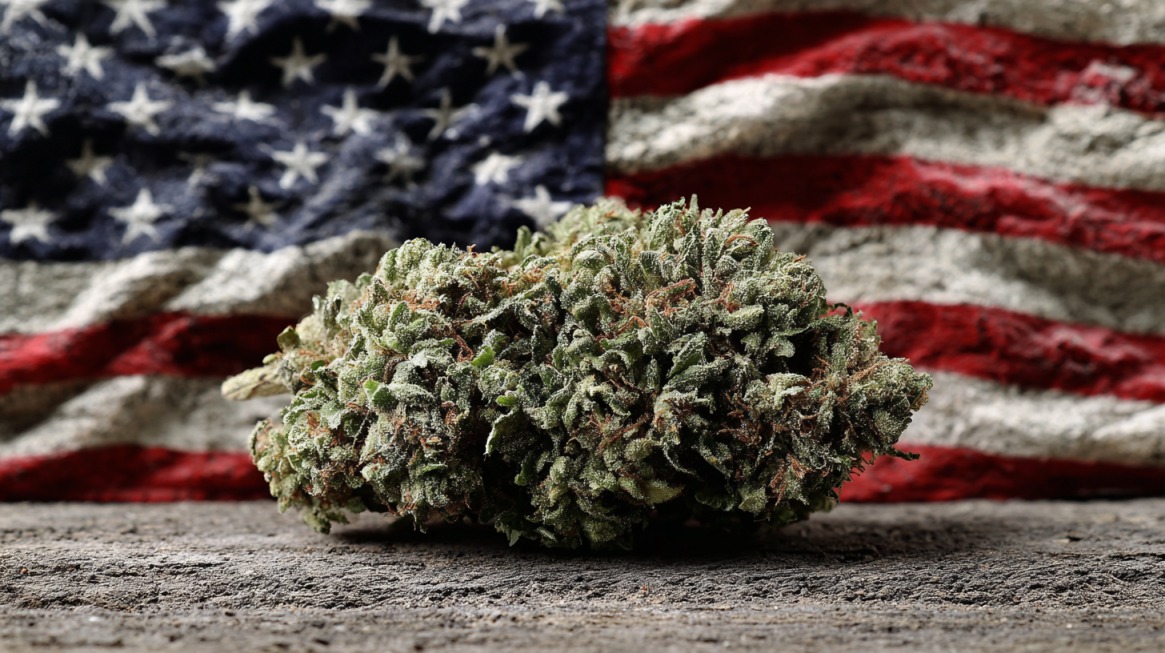
Cannabis policy in the United States continues to shift rapidly as more states adopt regulated markets for adult use and medical programs.
As of late 2025, recreational marijuana is legal in twenty-four states plus Washington, D.C., and medical cannabis programs operate in forty states and multiple territories.
A smaller group of states offers only low-THC or CBD access, and a few still prohibit all THC-based products.
Federal law still treats cannabis as a Schedule I substance, yet federal agencies have signaled interest in reclassifying it to Schedule III.
Such a move would reduce criminal penalties, boost clinical research opportunities, and ease banking restrictions that currently limit cannabis businesses.
Federal law continues to bar transport across state lines, which means each state must operate in isolation regardless of its policy choices.
Let’s see what the situation in the US is in 2025 regarding the legality of THC.
State-by-State Breakdown
Cannabis rules vary enormously across the country, creating a patchwork of possession limits, product categories, and home-grow permissions
Introductory notes appear before each group so readers can grasp the core function of that category before diving into specific examples.
Fully Legal for Adult and Medical Use (24 States + DC)
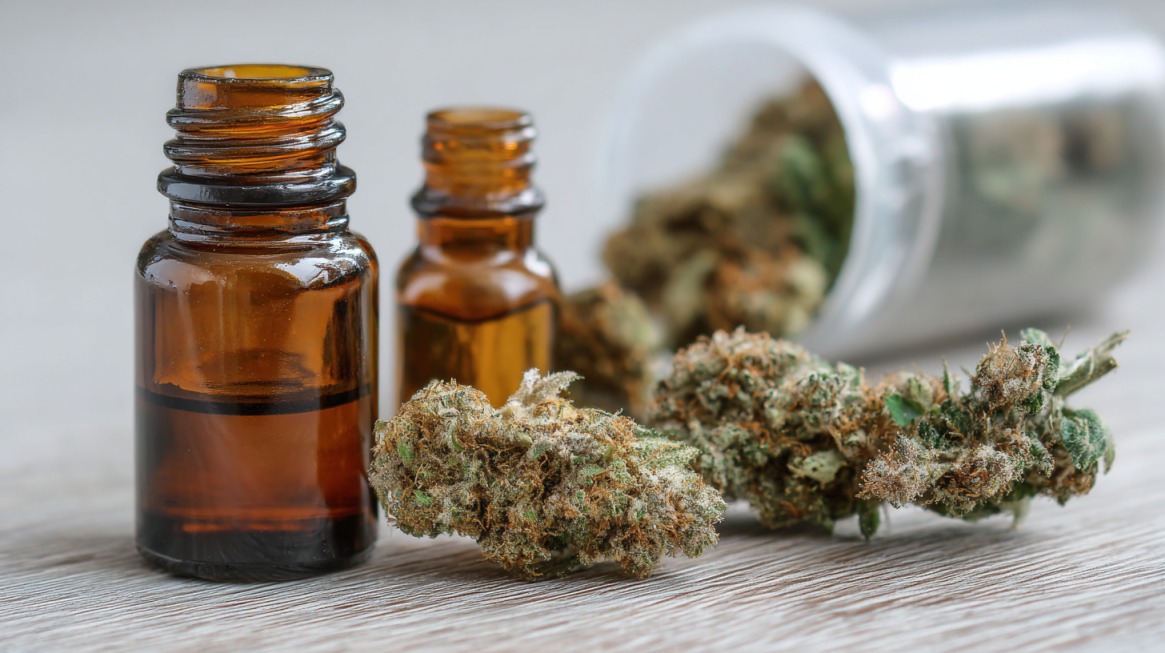
Adult-use states allow residents aged twenty-one and older to buy, possess, and consume cannabis products.
Medical programs operate alongside adult-use systems, often giving patients expanded access or tax benefits.
Home cultivation is widely permitted, though plant limits differ by jurisdiction.
Adult-use jurisdictions commonly allow one to three ounces of flower for personal possession, a set amount of concentrates, and a limited number of homegrown plants.
Local rules may add extra restrictions related to cultivation, odor control, or storage.
| State | Flower Limit | Concentrates/Edibles | Home Grow |
| California | 28.5g (1 oz) | 8g concentrate | 6 plants |
| Colorado | 2 oz (1 oz sales cap) | 8g concentrate per sale | 6 plants (3 mature) |
| Michigan | 2.5 oz public / 10 oz home | 15g concentrate | 12 plants |
| Massachusetts | 1 oz public / 10 oz home | 5g concentrate | 6 plants (12 per household) |
| New York | 3 oz | 24g concentrate | 6 plants (12 per household) |
| Oregon | 2 oz public / 8 oz home | 16 oz solids / 72 oz liquids / 1 oz extract | 4 plants |
| Missouri | 3 oz | — | 6 flowering + 6 immature + 6 clones |
Medical Use Only (with or without Decriminalization)
States in this group allow registered patients to access THC-based products through licensed dispensaries or structured medical programs.
Adult-use sales remain unavailable, although possession penalties may be reduced in some jurisdictions.
Medical programs often require physician certification, state-issued patient cards, and purchase limits tied to a defined supply period.
Product availability usually includes flower, oils, edibles, capsules, tinctures, and topicals, depending on each state’s rules.
Representative States
Florida maintains a robust medical program, yet adult-use legalization fell short in a 2024 ballot measure that required sixty percent support.
Texas operates a low-THC system focused on specific medical conditions without full-strength products.
Oklahoma, Arkansas, Pennsylvania, Utah, and West Virginia also maintain medical-only access.
CBD/Low-THC Only States (8 States)
Low-THC jurisdictions offer access to CBD oils with extremely limited THC content.
Programs usually serve patients seeking treatment for epilepsy or other targeted conditions.
Full-strength cannabis remains prohibited.
Most of these states allow CBD oil with THC levels capped near 0.5 percent.
Program structures differ greatly, with some offering only legal defenses rather than dispensary-based systems.
- Georgia
- Indiana
- Iowa
- South Carolina
- Tennessee
- Wisconsin
- Wyoming
- North Carolina.
Decriminalized but Not Legal
Decriminalized states have reduced penalties for simple possession. Individuals may face a civil fine rather than criminal charges.
Medical programs and adult-use systems remain absent.
Possession typically results in small fines, though repeat offenses can trigger escalating penalties. No regulated market exists in these regions, meaning lawful access for consumers remains unavailable.
Nebraska follows this model with no medical or adult-use system.
North Carolina fits here as well, offering CBD access for epilepsy but no broader THC permissions.
Addiction problems can lead to serious legal consequences in states like North Carolina, where drug possession laws are strict.
Even if someone is struggling with substance use and only possesses drugs for personal use, they may still face drug trafficking charges under North Carolina law.
Fully Illegal States
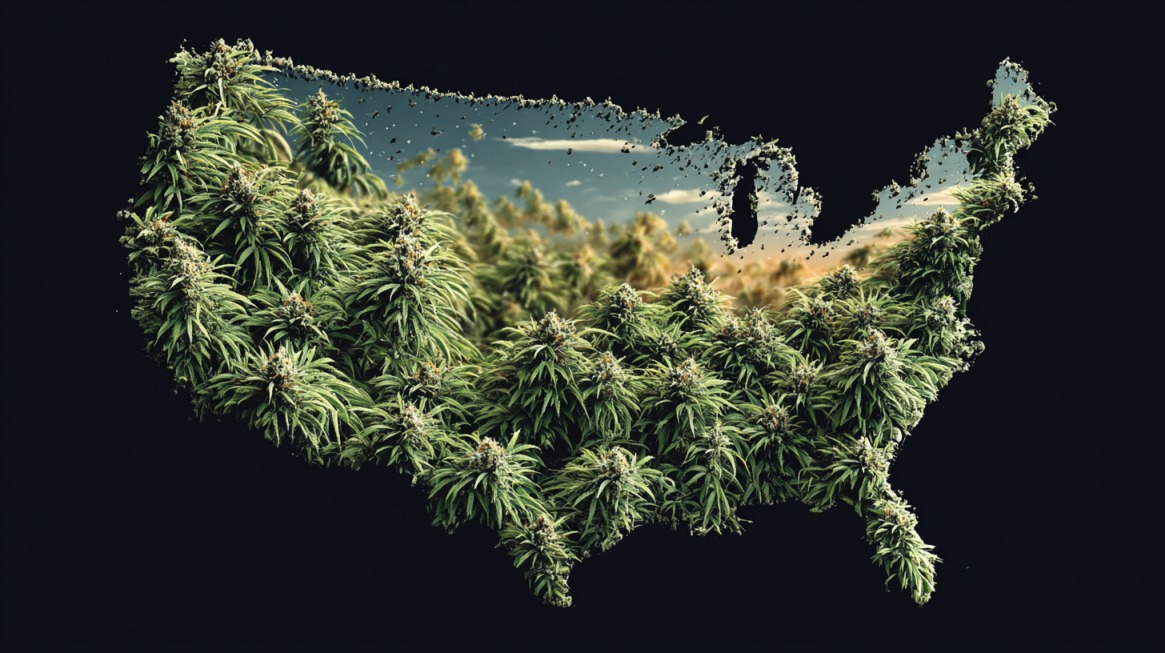
A small group still bars all THC-based cannabis, offering no medical access and no decriminalization protections.
Criminal charges remain possible for possession of any amount.
- Idaho
- Kansas
- South Carolina
- Wyoming
Legal Impacts on Consumers and Businesses
Cannabis consumers in adult-use states face varying possession rules depending on location. Most states set flower limits between one and three ounces.
Concentrate limits commonly fall within a five to twenty-four gram range.
Edible limits often track total milligrams of THC, usually capped between five hundred and eight hundred milligrams for a package.
Home grow permissions differ widely. Many adult-use states allow residents to cultivate plants at home, while most medical-only states restrict home cultivation or prohibit it entirely. Local rules may tighten or loosen those permissions.
Business operators face rising insurance costs driven by fire risk, theft, compliance storage requirements, and product liability exposure. Insurers often price policies higher due to federal uncertainty.
Court decisions in 2025 opened the door for civil RICO lawsuits in certain cases, adding another layer of risk.
Regulatory compliance remains one of the toughest challenges for multi-state operators. Every state sets its own packaging, testing, potency, and labeling rules.
Operators must adjust supply chains, product formulas, and distribution procedures to keep each region compliant.
For individuals navigating addiction-related legal challenges, especially where family dynamics, child custody, or divorce are involved, legal representation becomes critical.
Addiction lawyer Diana Whipkey Young of Young Law Firm in Marietta, Georgia, offers compassionate, strategic legal support for those whose substance use impacts family court outcomes.
What Changed in 2025?
Policy movement slowed during 2025, creating a rare pause in the rapid wave of adult-use legalization.
No additional states adopted recreational programs during the year, keeping the total at twenty-four plus Washington, D.C.
Florida voters delivered fifty-six percent support for adult-use legalization, crossing the simple majority threshold yet falling short of the sixty percent required for constitutional amendments.
New Hampshire’s House advanced an adult-use bill once again, but the Senate blocked it in May.
Hawaii’s task force continued reviewing market structures, while Pennsylvania advanced laws that signaled increasing acceptance of cannabis-related issues, including worker reimbursement for medical use.
Federal agencies engaged in active discussions about moving cannabis to Schedule III.
Rescheduling would ease research restrictions, lower criminal penalties, and improve access to financial services for licensed businesses.
Federal law still bars transport across state lines and continues to classify cannabis as a controlled substance.
Federal vs State Tensions
View this post on Instagram
Cannabis remains illegal at the federal level, creating friction between state markets and national regulations.
- Banking
- Insurance
- Lending
- Taxation
Federal rules limit the use of standard financial services, which forces many operators to rely on cash-heavy systems.
That situation raises concerns about security risk, compliance challenges, and increased insurance costs.
Tax code restrictions also reduce profitability because cannabis companies cannot claim many standard business deductions.
Rescheduling discussions have generated cautious optimism among industry groups.
A shift to Schedule III would permit broader research, create more stability for insurers, and encourage investment.
Interstate transport would remain prohibited under current law, so each state market would still function independently.
The Bottom Line
Cannabis policy in the United States continues to expand, with nearly half the country offering adult-use access and more than forty states supporting medical use.
- Possession
- Concentrates
- Edibles
- Home cultivation
Businesses must navigate high insurance costs, evolving tax obligations, and complex compliance requirements.
Federal uncertainty remains a major factor as state markets grow.
Rescheduling to Schedule III would ease several burdens without creating national legalization or interstate commerce.
Read more: Is polygamy legal in the U.S.? Find out more here!